Long term prescription of medications such as the following are likely to increase the cause of, or exacerbate the risk of B12 deficiency - the proton pump inhibitors (esomeprazole, lansoprazole, omeprazole, pantoprazole, rabeprazole), famotidine, ranitidine, metformin, glibenclamide, gliclazide, glimepiride, glipizide, sodium valproate, gabapentin, doxycycline, some oral contraceptives
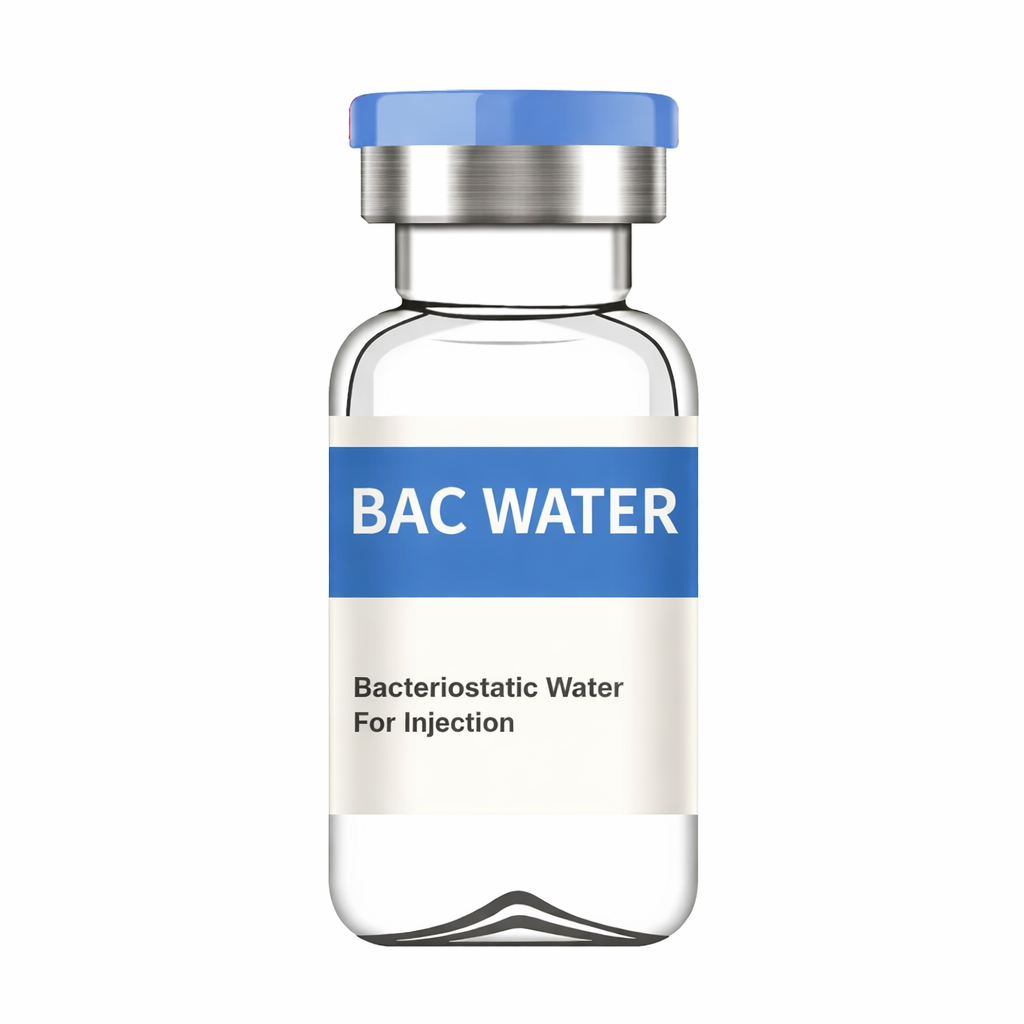
positive results require solution discard Peptide Integrity Verification Verify peptide integrity after reconstitution using HPLC or mass spectrometry Compare chromatographic profile to the Certificate of Analysis Test biological activity in a standard assay (e.g., receptor binding, cell response) Document all QC data for experimental reproducibility pH Measurement Measure pH of reconstituted solution using a calibrated pH meter Optimal pH range: 6.57.5 Adjust pH if necessary using minimal volumes of dilute HCl or NaOH Avoid extreme pH adjustments (may cause peptide degradation) Troubleshooting Common Issues Common issues and solutions for peptide reconstitution with bacteriostatic water: Peptide Does Not Dissolve Allow the vial to stand at room temperature for 3060 minutes
Application advances of deep learning methods for de novo drug design and molecular dynamics simulation
*Licensing is subject to change