Conditions include alcoholic liver disease, viral hepatitis, cirrhosis, and primary or metastatic liver cancer Renal dysfunction : Impaired kidney function reduces B12 elimination, causing accumulation even with normal intake Haematological conditions : Myeloproliferative neoplasms, chronic myeloid leukaemia, polycythaemia vera, and hypereosinophilic syndrome increase transcobalamin production, elevating total serum B12 Laboratory interference : Macro-B12 (immunoglobulin-bound B12) and assay interference can cause spuriously elevated results without true excess In clinical practice, unexplained hypercobalaminaemia should prompt investigation for underlying disease, particularly in patients without obvious supplementation history
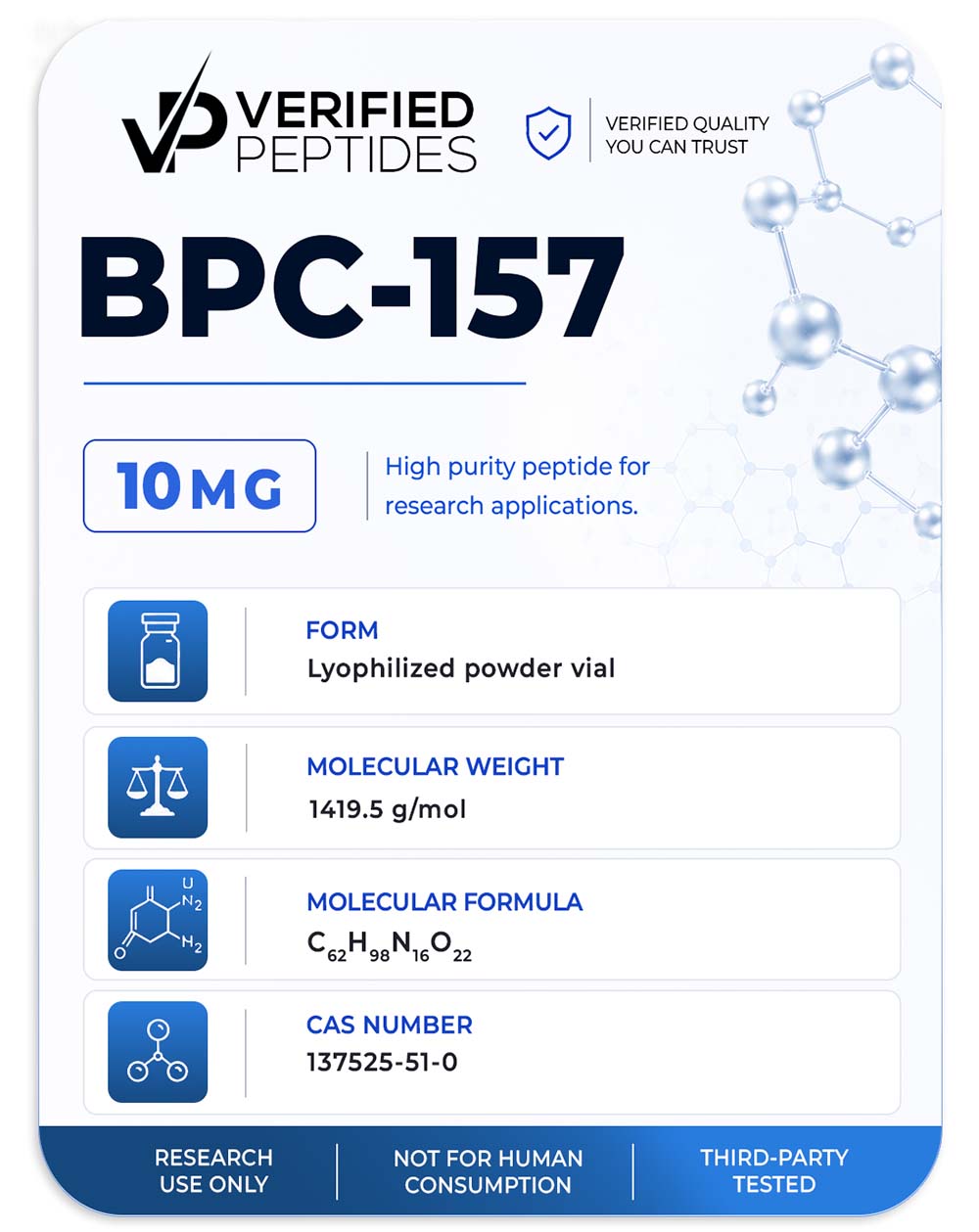
If you are comparing product formats directly, you can review our BPC-157 10MG product page for current inventory
The cycling protocols commonly recommended are partly based on this theoretical concern, though actual tolerance development has not been documented
Thats nearly one in five patients on a practice list of 5,600