Major Criteria Congenital multiple contractures, characteristically adduction-flexion contractures and/or talipes equinovarus (clubfoot) Characteristic craniofacial features, which are evident at birth or in early infancy Characteristic cutaneous features including skin hyperextensibility, easy bruisability, skin fragility with atrophic scars, increased palmar wrinkling Minor Criteria Recurrent/chronic dislocations Pectus deformities (flat, excavated) Spinal deformities (scoliosis, kyphoscoliosis) Peculiar fingers (tapering, slender, cylindrical) Progressive talipes deformities (valgus, planus, cavum) Large subcutaneous hematomas Chronic constipation Colonic diverticula Pneumothorax/ pneumohemothorax Nephrolithiasis/cystolithiasis Hydronephrosis Cryptorchidism in males Strabismus Refractive errors (myopia, astigmatism) Glaucoma/elevated intraocular pressure Myopathic EDS (mEDS) If a person meets the diagnostic criteria for mEDS, genetic testing should be done to confirm the diagnosis
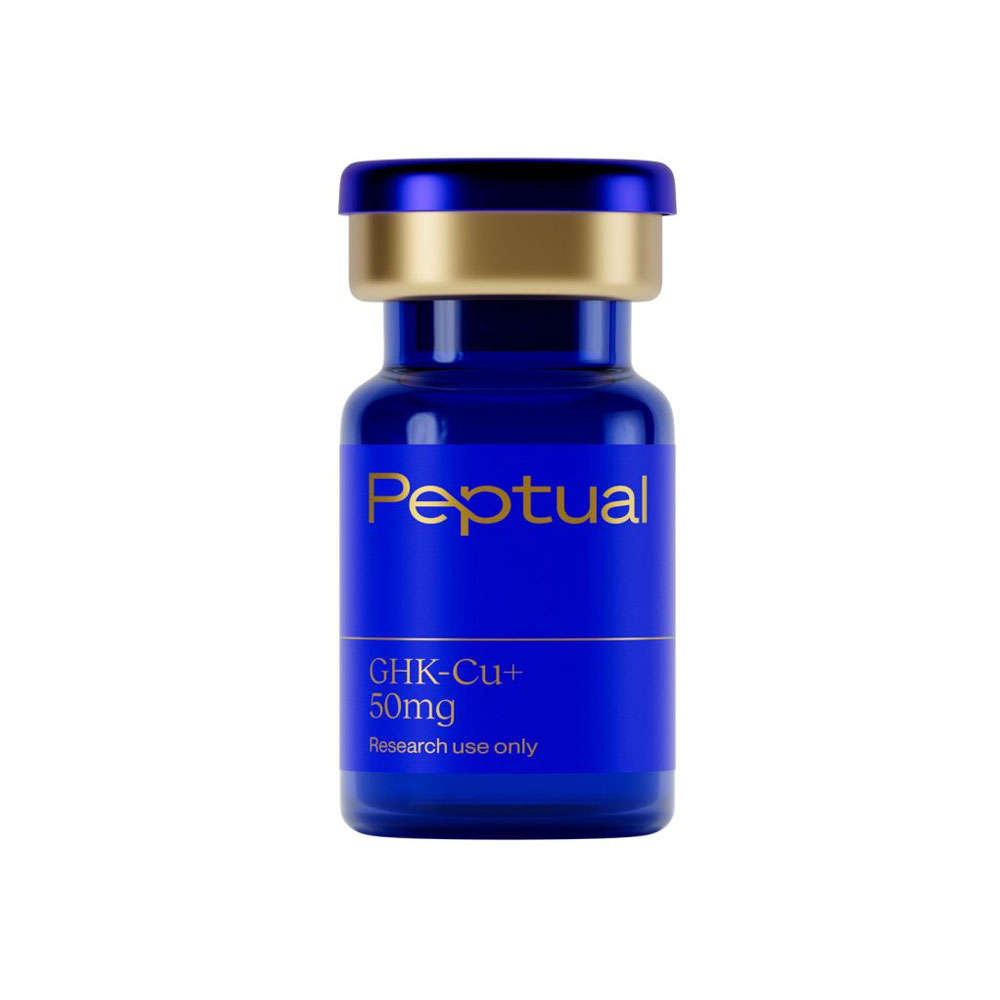
Using simple sterile water is an option, but the solution will have a much shorter shelf life as theres no agent to prevent contamination
Vitamin D affects energy production at the cellular level, while Vitamin B12 deficiency affects oxygen delivery through red blood cells
Risk Statement: Administration of subpotent Hydroxocobalamin in infants, pregnant/breastfeeding women, and elderly populations are at risk for vitamin B12 deficiency and there is a reasonable probability they could experience adverse events including muscle weakness, neurological peripheral neuropathic numbness or pain, vision loss, and psychiatric disorders (depression, memory loss)